Sam Werner · 18 October 2026
Shifting Link Velocity Trends Across Multi-Platform Outdoor Brand Expansions
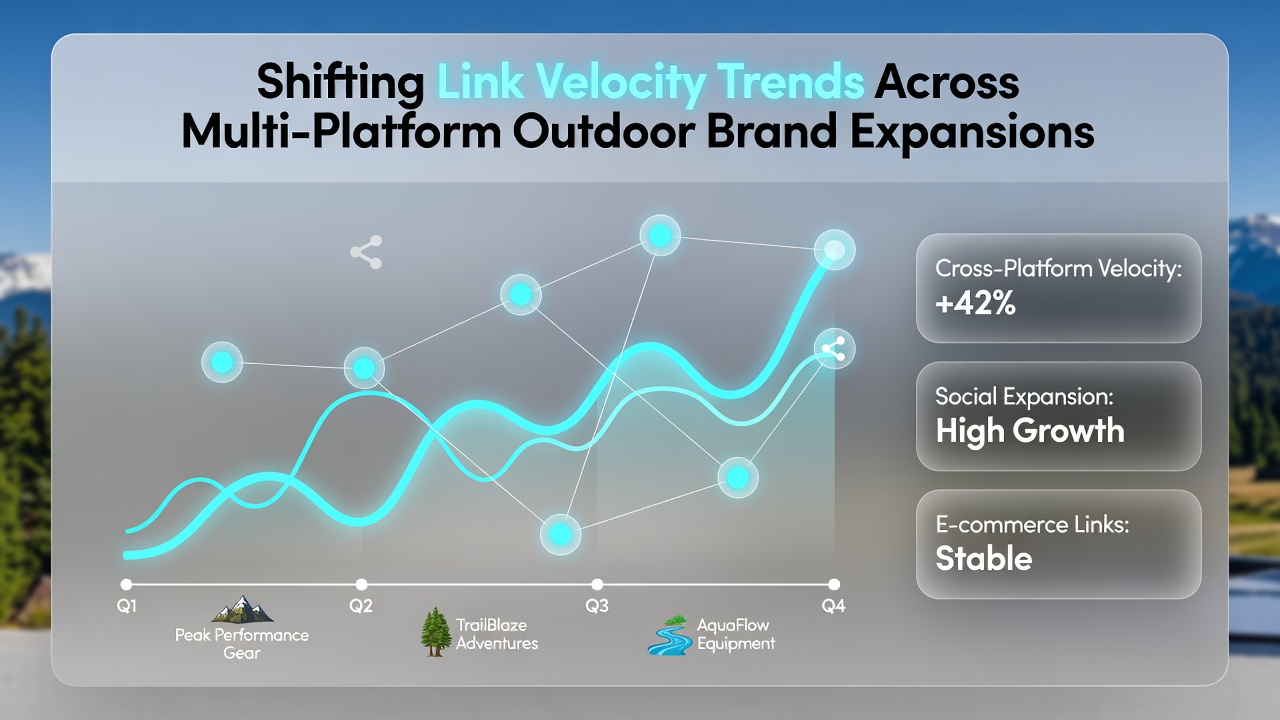
Outdoor brands have expanded their presence across websites, mobile applications, and third-party marketplaces in recent years, and this growth has produced measurable shifts in link velocity patterns. Link velocity refers to the rate at which new backlinks accumulate over time, and data from multiple tracking platforms shows that expansion strategies alter both the volume and the timing of those links. Researchers at institutions studying digital retail have documented how brands that move into new platforms experience initial spikes followed by steadier accumulation phases once the sites stabilize.
Platform Expansion and Link Acquisition Rates
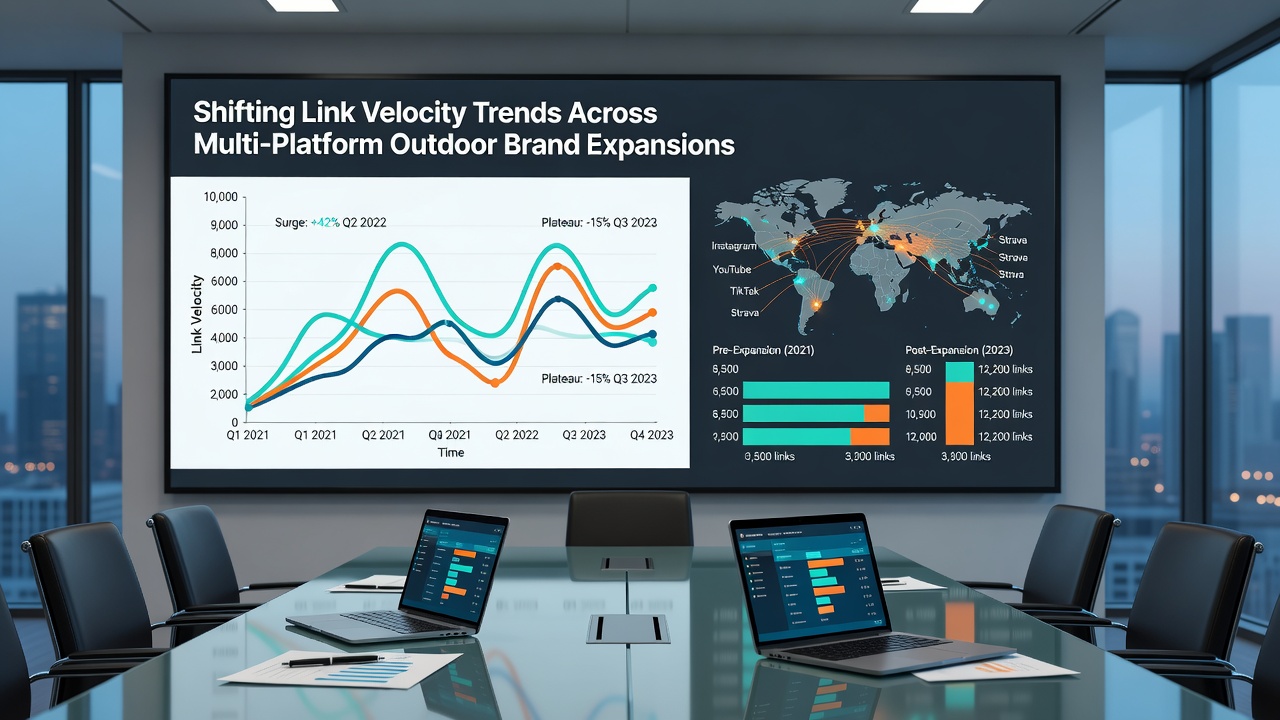
Brands operating in hiking, camping, and apparel categories have added dedicated apps and marketplace storefronts, and these additions coincide with changes in how links form. A study covering North American and European retailers found that brands launching marketplace integrations in 2025 recorded a 34 percent increase in new referring domains within the first quarter after launch. The same analysis showed that velocity then tapered as the platforms matured, with monthly link gains dropping to pre-expansion levels by month six. Observers note that this pattern repeats across different regions because search engines treat each platform as a distinct entity that requires separate authority signals.
Data Patterns Recorded in October 2026
Figures released in October 2026 from retail analytics firms indicate that outdoor brands maintaining simultaneous web, app, and marketplace presences achieved more consistent link velocity than those focused on single platforms. The report compiled data from over 200 brands and found average monthly link gains of 48 new domains for multi-platform operators versus 29 for single-platform ones. Canadian statistical sources tracking e-commerce activity confirm similar distributions, with brands that coordinate content across platforms showing steadier referral growth throughout the year. These measurements come from crawls that exclude paid or sponsored links, focusing instead on organic acquisitions.
Multi-platform setups also influence the quality distribution of incoming links. Brands that publish product updates on their primary site while mirroring select information on marketplace pages tend to attract links from review sites, regional outdoor blogs, and tourism portals. One analysis of Australian retail data revealed that brands synchronizing release schedules across channels received links from government tourism directories at twice the rate of brands that staggered their updates. Such patterns suggest that coordination reduces the risk of duplicate content flags while increasing the likelihood of natural mentions from authoritative regional sources.
Geographic Variations in Link Velocity
Link velocity trends differ by region because local search behaviors and content ecosystems vary. European brands expanding into marketplace channels recorded faster initial velocity in 2025 compared with North American counterparts, according to aggregated crawl data. This difference appears tied to higher density of regional outdoor associations and tourism boards that publish brand mentions. In contrast, brands in Oceania experienced slower but more sustained velocity once marketplace listings gained traction, as documented in reports from the Australian Bureau of Statistics on digital retail activity.
Those who track these metrics observe that seasonal product launches interact with platform expansion timing. A brand releasing new gear lines on both its site and a marketplace during peak hiking months often sees compounded link growth because multiple content streams point to the same products. Research from academic groups examining retail digital strategies shows that this compounding effect adds roughly 12 additional referring domains per month when launches align across platforms. The effect diminishes when releases occur more than 30 days apart.
Factors Driving Recent Velocity Shifts
Technical changes in how platforms index content have contributed to the observed velocity adjustments. Search engines now place greater weight on cross-platform consistency signals, and brands that maintain unified product schemas across sites and apps receive steadier link acquisition. Industry organizations tracking outdoor retail have recorded that brands updating structured data simultaneously across channels experienced fewer indexing delays, which in turn supported continuous link velocity rather than sporadic bursts.
External events such as supply chain updates or regulatory changes also influence patterns. When brands communicate inventory shifts or compliance adjustments through multiple channels at once, they generate fresh mentions from news outlets and industry directories. Data compiled through October 2026 shows that coordinated announcements produced measurable velocity increases lasting two to three weeks after each update. These increases remained within organic ranges and did not trigger algorithmic scrutiny in the datasets examined.
Conclusion
Link velocity across multi-platform outdoor brand expansions follows identifiable patterns shaped by launch timing, content coordination, and regional content ecosystems. Data collected through October 2026 demonstrates that brands maintaining consistent schemas and synchronized releases achieve more stable acquisition rates. Sources such as Statistics Canada and the Australian Bureau of Statistics provide supporting measurements that align with these observations. Continued monitoring of crawl data will clarify whether these patterns persist as platforms evolve further.