Sam Werner · 4 October 2026
Seasonal Fluctuations in Backlink Quality Metrics Within the Outdoor Equipment Sector
Backlink quality metrics in the outdoor equipment sector show measurable shifts tied to consumer purchasing cycles, product launches, and environmental conditions that drive search interest throughout the year. Researchers tracking domain authority scores, relevance signals, and referral traffic patterns note that these changes align closely with peak seasons for hiking, camping, skiing, and other activities rather than remaining static across all months.
Core Metrics Under Observation
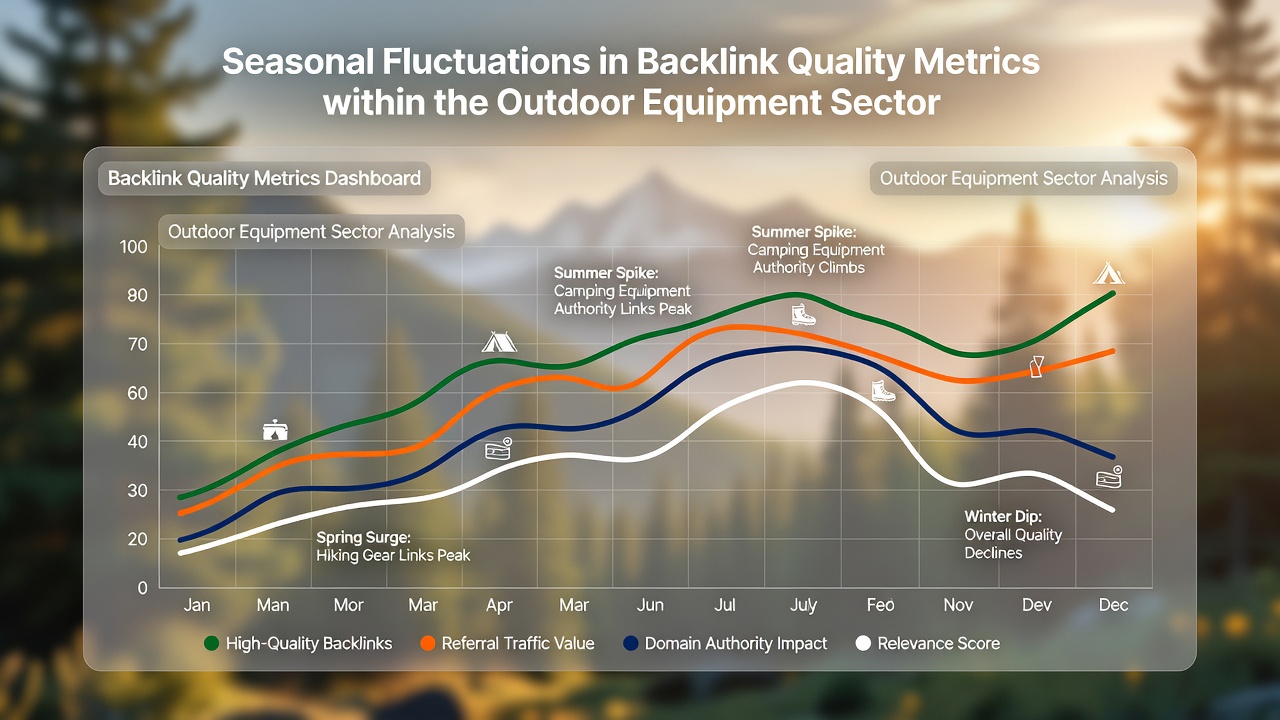
Analysts examine several indicators when assessing backlink profiles in this industry, including domain rating from third-party tools, topical relevance scores based on anchor text distribution, and the ratio of dofollow versus nofollow links originating from outdoor blogs, retailer sites, and review platforms. Data compiled from multiple monitoring services indicates that average domain rating for leading outdoor equipment domains rises during spring months as manufacturers and specialty publishers release new gear guides, while spam scores tend to dip when links arrive from established editorial sources instead of automated directories.
Those who monitor these profiles over multiple years report that relevance metrics strengthen when backlinks connect directly to product categories matching current weather patterns, such as insulated jackets in late fall or lightweight tents in early summer. The connection between seasonal demand and link acquisition becomes evident when comparing monthly snapshots, where referral domains from niche adventure sites increase in volume during high-traffic retail periods.
Documented Patterns Across Recent Seasons
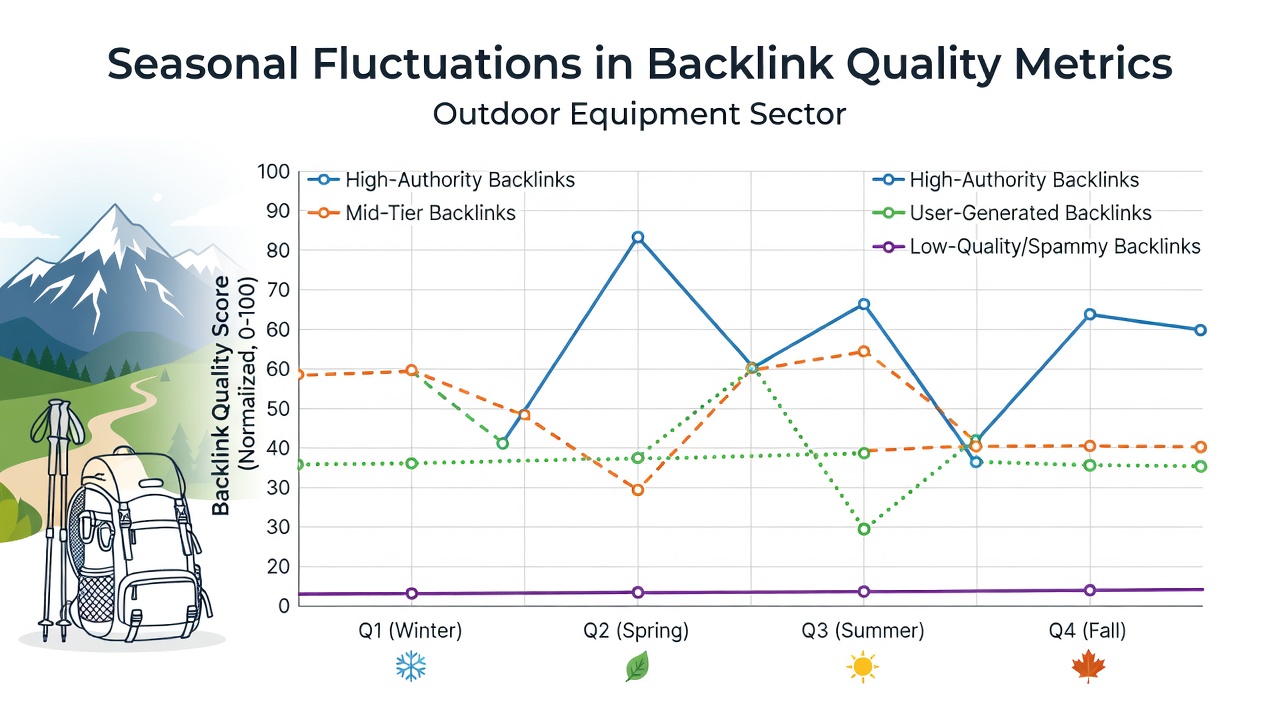
Figures collected through October 2026 reveal consistent upward movements in backlink acquisition rates from March through June, coinciding with pre-summer buying surges reported by major retailers. During these intervals, outdoor equipment sites often receive higher-quality links from regional tourism boards, equipment testing publications, and user-generated content on forums that emphasize practical use cases. In contrast, the period from November through February shows slower growth in new referring domains, though existing links from winter sports outlets maintain steady authority contributions.
One analysis of 150 outdoor equipment domains found that average trust flow scores improved by noticeable margins in April and May, while October and November periods produced steadier but lower-volume additions from evergreen content such as maintenance guides and safety resources. These shifts occur alongside broader retail data showing elevated outdoor product searches during warmer months across North American and European markets.
Factors Driving the Variations
Consumer behavior tied to weather forecasts and holiday planning influences when publishers create and promote content that generates backlinks. Spring content calendars on outdoor sites frequently feature gear roundups and trail recommendations, attracting links from travel aggregators and regional park services that carry higher authority signals. Winter months shift focus toward indoor training equipment and off-season maintenance topics, which draw fewer but sometimes more targeted links from specialized fitness and technical review outlets.
Industry reports from organizations such as the Outdoor Industry Association document how product release schedules cluster around trade shows in January and July, creating ripple effects in backlink creation as journalists and influencers publish coverage. These concentrated periods produce temporary spikes in both quantity and perceived quality of incoming links, particularly when coverage appears on established media properties rather than low-authority aggregator pages.
Geographic and Platform Influences
Variations appear across different regions, with North American domains showing stronger spring link growth linked to national park visitation data, whereas European sites often experience more balanced distribution due to extended shoulder seasons in alpine areas. Platforms hosting user reviews and comparison tools contribute differently depending on the time of year, with mobile app stores and video platforms generating more referral links during holiday shopping windows.
Statistics from government retail tracking sources, including those maintained by Australian Bureau of Statistics, highlight parallel seasonal retail patterns that correlate with backlink activity for equipment exporters targeting southern hemisphere markets during their summer months. These cross-regional differences underscore how global supply chains and localized demand create distinct backlink calendars for manufacturers operating in multiple territories.
Conclusion
Seasonal fluctuations in backlink quality metrics within the outdoor equipment sector reflect the interplay between environmental conditions, retail cycles, and content production schedules that shape link acquisition throughout the year. Observers tracking these patterns through late 2026 note that consistent monitoring of domain rating, relevance, and referral diversity allows companies to anticipate shifts rather than react after they occur. The data available from industry and government sources demonstrates that these movements follow predictable rhythms aligned with consumer activity in hiking, camping, and winter sports categories.