
Wendy Richter · 6 September 2026
Analyzing Competitor Backlink Profiles to Identify Untapped Growth Opportunities in Specialized Industries
Specialized industries such as renewable energy equipment manufacturing, precision medical device production, and niche chemical formulation present unique challenges for growth where traditional marketing channels often fall short and backlink profiles reveal patterns that competitors overlook. Researchers at institutions tracking digital marketing trends have documented how companies in these sectors build authority through targeted link acquisition from industry publications, regulatory bodies, and academic partnerships rather than broad consumer sites. Data from multiple studies indicate that examining the backlink sources of leading competitors exposes gaps where new entrants or mid-tier players can secure high-value links without direct competition for the same domains.
Core Components of Competitor Backlink Analysis
Analysis begins with mapping the total referring domains, anchor text distribution, and link velocity for each major competitor while focusing on metrics that include domain authority scores, topical relevance, and geographic concentration of links. Tools from providers such as Ahrefs and Semrush compile these datasets into exportable reports that allow teams to filter links by industry category and exclude low-value directories or unrelated blogs. Observers note that in specialized fields the most valuable links often originate from trade associations, government research portals, and university extension programs because these sources carry implicit trust signals that search algorithms reward over time. Figures from September 2026 show continued growth in link acquisition from regional regulatory agencies in Canada and Australia as companies seek compliance-related visibility alongside commercial reach.
Methods for Extracting Actionable Insights
Teams start by selecting three to five direct competitors with overlapping product lines then export their complete backlink histories to identify recurring domains that appear across multiple profiles. Pattern recognition reveals whether competitors concentrate links in supplier directories, professional forums, or technical white paper repositories and this clustering highlights content formats that attract citations within the niche. Those who study these profiles further segment links by acquisition date to determine which campaigns produced sustained results versus short-term spikes that later declined. Cross-referencing with public records from bodies like the Australian Competition and Consumer Commission provides context on which regulatory mentions generate measurable referral traffic and authority transfer. The process continues with manual review of top-performing link pages to understand the surrounding content and outreach angles that originally secured placement.
Locating Untapped Domains Across Specialized Sectors
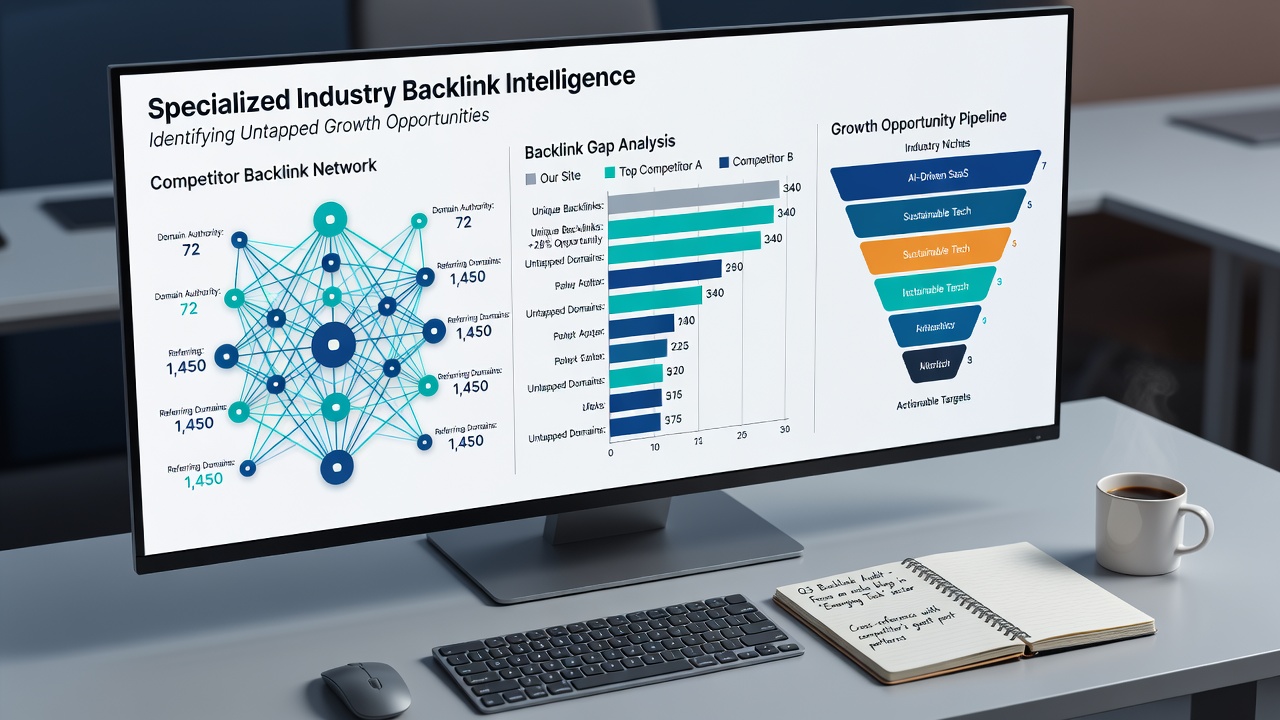
Once baseline profiles are established analysts search for domains that link to two or more competitors yet remain absent from the target company's portfolio and these represent immediate outreach candidates. In precision agriculture equipment manufacturing for example certain university extension sites and state agricultural departments appear repeatedly in competitor reports but receive far fewer inquiries from newer market participants. Similar patterns emerge in advanced materials science where technical standards organizations and patent office databases serve as consistent yet underutilized link sources. Evidence from OECD digital economy reports demonstrates that companies which systematically pursue these overlooked domains achieve faster improvements in topical authority compared with those relying solely on general outreach lists. Geographic filtering further refines the list by prioritizing domains with strong local relevance such as European Union research repositories for firms targeting continental markets.
Practical Steps for Capitalizing on Identified Gaps
After compiling a prioritized list of untapped domains teams develop customized content assets including technical case studies, regulatory compliance summaries, and co-authored research pieces that align with the editorial standards of each target site. Outreach sequences begin with personalized reference to existing coverage of similar topics and this approach has produced higher response rates in documented industry examples than generic link requests. Monitoring tools track new link acquisition while comparing performance against competitor benchmarks updated quarterly. Integration with broader SEO workflows ensures that newly secured links receive proper internal linking and anchor text optimization to maximize authority flow. Organizations that maintain ongoing competitor monitoring programs report sustained advantages because they identify emerging link sources before saturation occurs.
Conclusion
Systematic examination of competitor backlink profiles delivers measurable pathways for growth in specialized industries where relevance and authority outweigh volume. Companies that apply structured analysis combined with targeted content development and precise outreach consistently uncover domains that competitors have not fully exploited. Continued tracking through 2026 and beyond will likely reinforce the value of these methods as search algorithms place greater emphasis on topical expertise signals derived from high-quality, industry-specific links.